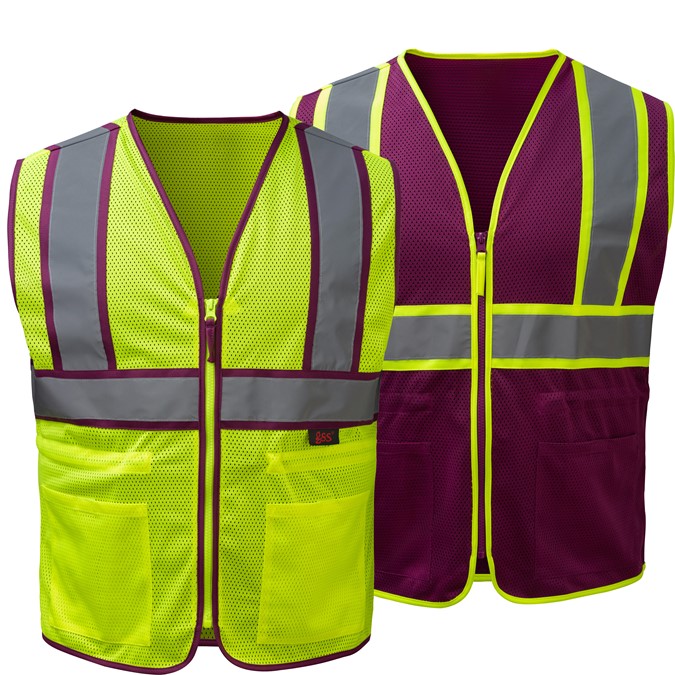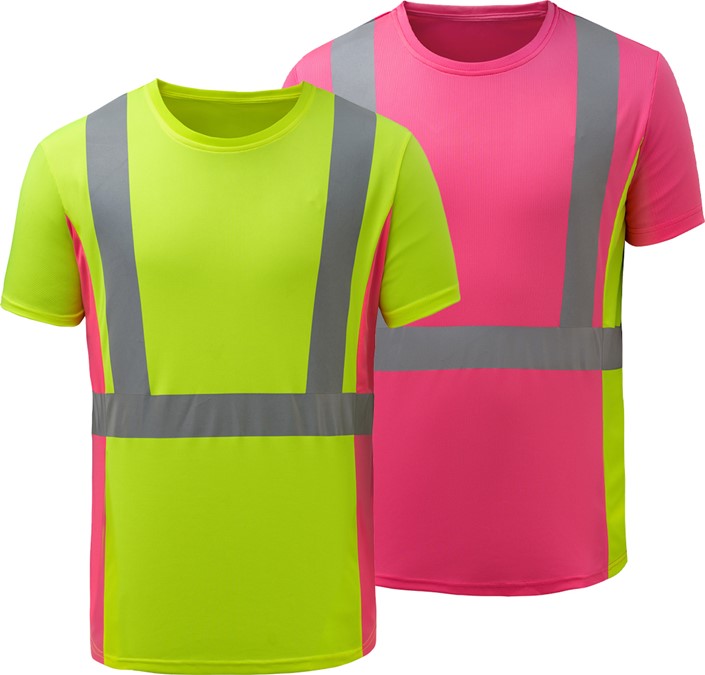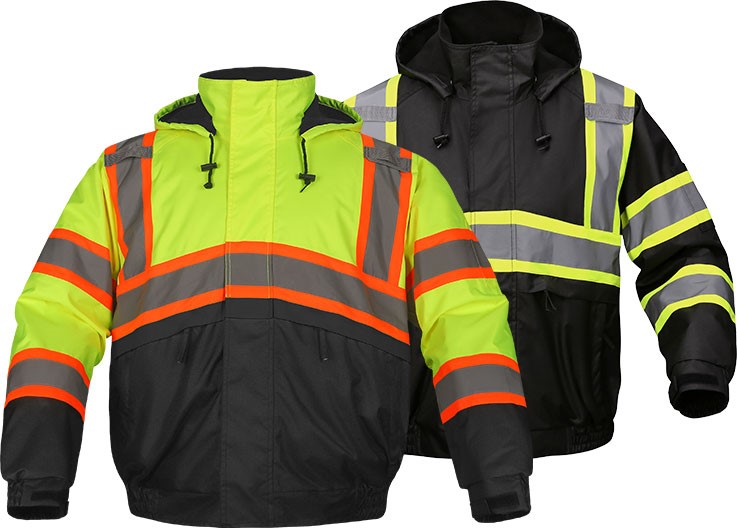
A worker can disappear in glare, rain, dust, or a cluttered work zone long before a driver realizes it. For contractors, high vis safety vests are part of the daily safety plan, not an accessory picked because it happens to be bright.
The right garment depends on the job, nearby traffic, weather, work layers, and the ANSI label sewn into the vest. ANSI/ISEA 107-2020, OSHA guidance, and the MUTCD all shape how crews approach visibility on roadway and outdoor sites.
The four visuals below cover apparel types, job choices, vest features, and inspection basics so you can buy gear your crew will wear and trust.
Key Takeaways for High Vis Safety Vests
- Check the permanent label for the ANSI/ISEA 107-2020 type and performance class.
- Type R apparel fits roadway and temporary traffic-control work, while Type O is for off-road settings.
- Class 2 and Class 3 garments offer more coverage for higher traffic speeds, darkness, and poor weather.
- Fit, fabric, closures, and pockets affect whether workers wear a vest correctly all shift.
- Replace garments that fade, tear, lose reflectivity, or no longer fit over work layers.
What ANSI/ISEA 107 Means for High Vis Safety Vests
ANSI/ISEA 107-2020 is the main U.S. standard for high-visibility safety apparel. It separates garments by type, which identifies the work setting, and performance class, which reflects the amount of visible background and retroreflective material.
A plain-language ANSI/ISEA 107-2020 overview helps explain the current system. The label inside the garment should state its ANSI type and class. That permanent label matters more than the vest’s color, pocket count, or marketing description.
- Type O apparel is for off-road work where workers are separated from moving public traffic. This category often fits controlled yards, warehouses, and private worksites.
- Type R apparel is for roadway use and temporary traffic-control zones. It is the common category for road crews, utility projects, survey work near traffic, and flagging.
- Type P apparel is designed for public safety activity. Police, fire, EMS, and incident-response crews may need designs that work with radios, body armor, and duty gear.
OSHA expects workers exposed to moving traffic or construction equipment to wear appropriate high-visibility apparel. However, OSHA does not create the complete ANSI type-and-class system. Project specifications, employer policies, local agencies, and the site safety plan may set stricter requirements.
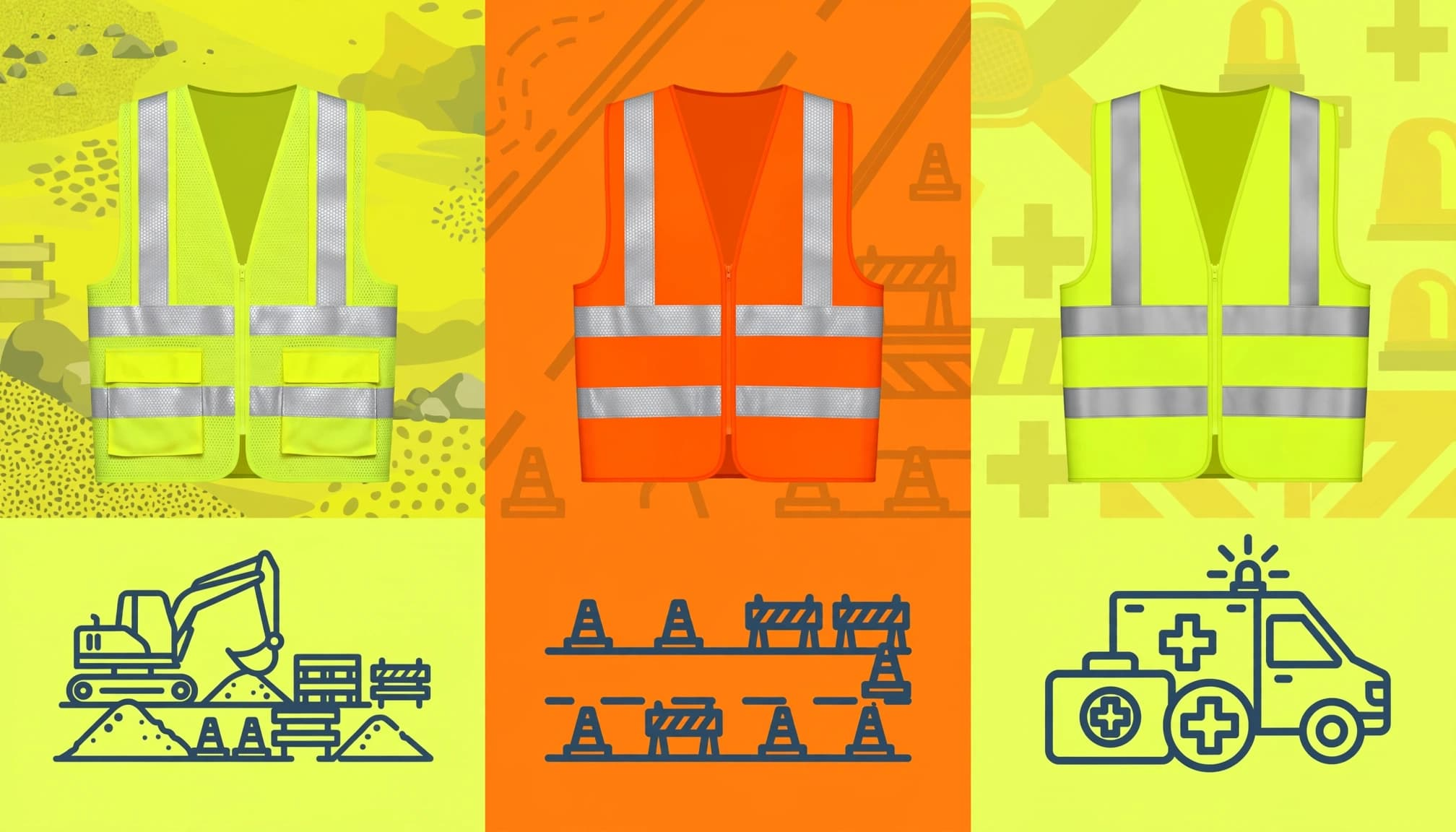
For flaggers, MUTCD-related roadway guidance commonly points to Type R Class 2 or Class 3 apparel, based on the work setting. Check the label before issuing gear, then confirm the choice against the contract and traffic-control plan.
A fluorescent vest without the required type and class label may be bright, but it may not meet the job’s apparel requirement.
Choose High Vis Safety Vests by Job, Traffic, and Light Conditions
Start with the work zone. Is the crew separated from traffic, working beside a roadway, or performing public safety duties? Next, look at vehicle speed, worker distance from traffic, daylight, rain, fog, background clutter, and how much the worker moves.
Class 1 is generally limited to controlled, low-speed, off-road environments. It is not the normal pick for roadway construction. Class 2 gives workers more conspicuous material and is common for road construction, utilities, survey crews, airport ramps, and flagging work.
Class 3 offers the highest coverage. Use it when traffic moves fast, visibility is poor, shifts run at night, or workers must be seen from farther away. A basic sleeveless vest often cannot qualify as Class 3 by itself. The job may call for a compliant jacket, shirt, or vest-and-pants ensemble.
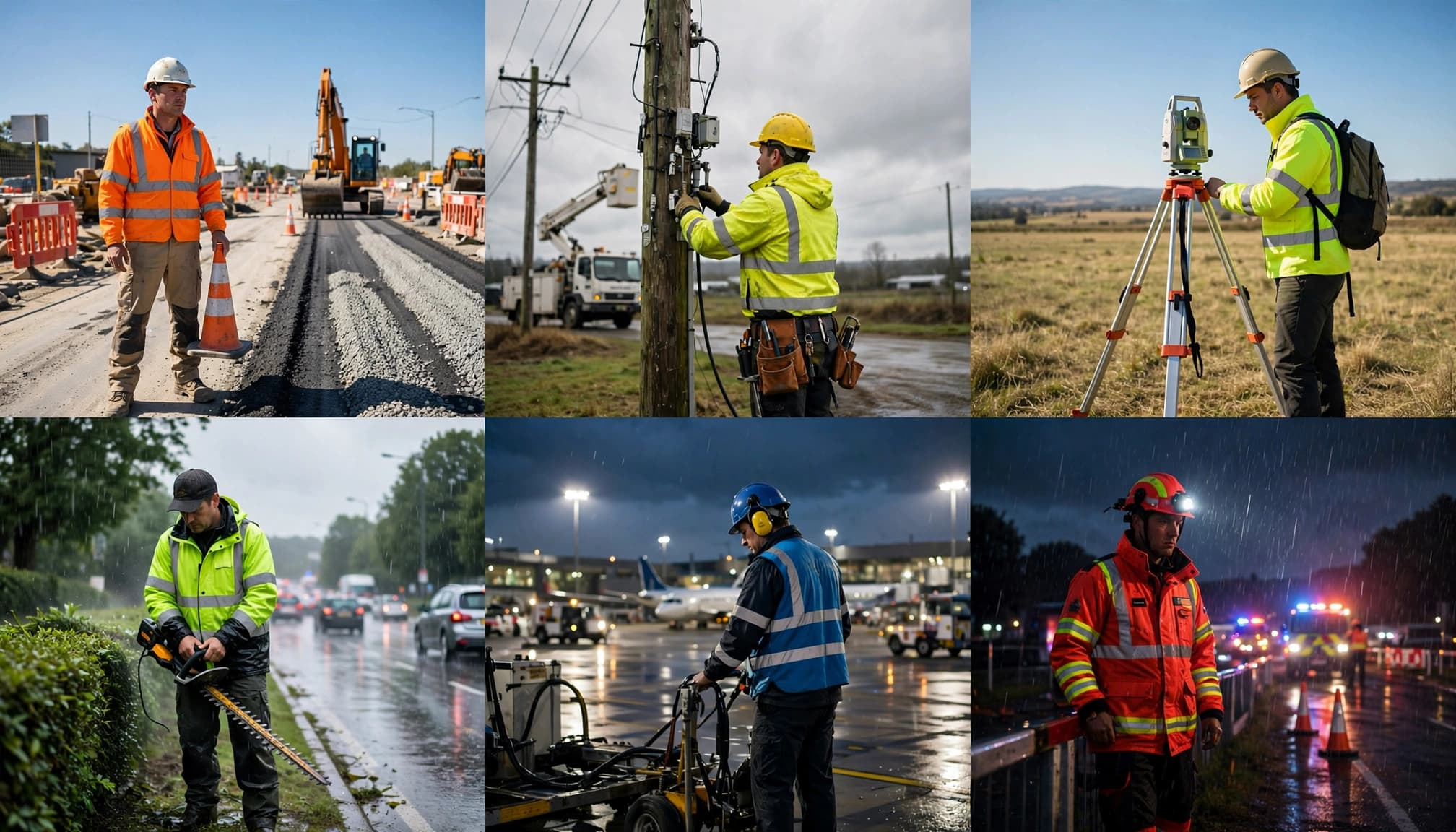
This quick guide helps match common contractor work to a starting point for selection.
| Work setting | Common apparel starting point | Conditions that may call for more coverage |
|---|---|---|
| Road construction | Type R, Class 2 | Night work, high-speed traffic, rain, or complex traffic patterns |
| Utility work near roads | Type R, Class 2 | Emergency repairs, poor weather, or work near faster traffic |
| Surveying near traffic | Type R, Class 2 | Limited shoulder space or low-light work |
| Landscaping near roads | Type R, Class 2 | Mowing beside faster traffic or near driveways |
| Airport ramp work | Site-specific Type R or Class 2 apparel | Vehicle congestion, low light, and airport rules |
| Public safety response | Type P, Class 2 or 3 | Roadway incidents, darkness, and rescue operations |
The correct choice follows the worksite plan, not a one-size-fits-all chart. This guide to safety apparel classifications provides added context on Class 1, 2, and 3 use cases.
Match the Vest Type to Common Contractor Jobs
The same contractor may need several garment options. A worker unloading materials in a separated equipment yard may need Type O Class 1. That vest does not automatically fit a utility repair beside an active road.
Most roadway construction and utility work calls for Type R Class 2 as a starting point. High-speed traffic, darkness, rain, and reduced sightlines can push the selection toward Type R Class 3.
Type P apparel fits public safety operations. These garments may include breakaway construction, equipment cutouts, radio loops, or access points for body armor. In every case, the sewn label and site requirement outrank color alone.
Features That Make a Contractor Vest Safer and Easier to Wear
A compliant vest has to work through a full shift. If it traps heat, snags on tools, or won’t fit over a hoodie, workers may avoid wearing it or wear it incorrectly.
Reflective striping returns light toward its source, which helps drivers see workers at night. Fluorescent yellow-green and orange backgrounds improve daytime contrast. Keep both materials visible. Tool belts, outerwear, harnesses, and oversized logos should not cover required reflective areas.
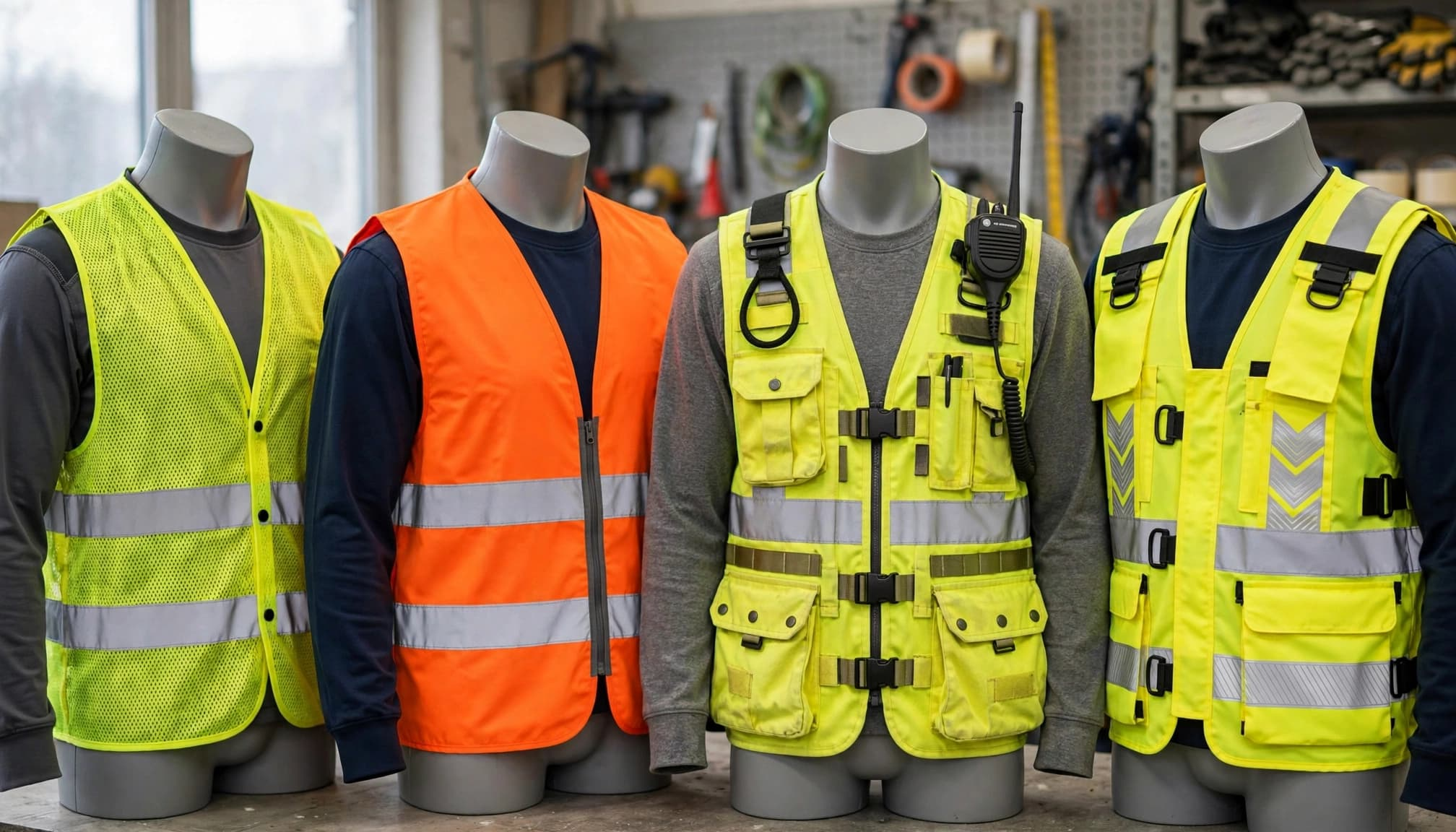
Zipper fronts often hold more securely than hook-and-loop closures in active work. On the other hand, hook-and-loop can make quick adjustments easier. Utility pockets, ID holders, and radio loops help some crews, but added features must not remove required material or hide it behind equipment.
Mesh, Solid, or Layered: Which Material Fits the Weather?
Mesh vests work well in heat because air passes through the fabric. They are a practical choice for paving, landscaping, survey work, and active utility tasks during warm months.
Solid fabric can offer better wind resistance and may stand up better to rough daily wear. For winter, rain, and long night shifts, crews may need high-visibility outerwear rather than a lightweight vest.
A vest worn over a compliant jacket does not automatically create a compliant ensemble. Review the label on the outer layer and verify the required type and class.
Make Sure the Vest Fits Over Work Clothes
Size vests over the layers workers actually wear, including hoodies, rain shells, and insulated jackets. Workers should move their arms and shoulders freely without pulling the closure open.
The vest should sit securely without loose edges that can snag. Check that reflective bands remain visible from the front, back, and sides. A technically correct garment that stays in the truck is a poor purchasing decision.
How to Buy High Visibility Workwear Without Overspending
Begin every purchase with the ANSI/ISEA 107-2020 label. Then compare type, class, available sizes, closure style, fabric, weather protection, pocket needs, and care instructions.
Price changes with garment coverage, fabric weight, breakaway construction, waterproofing, customization, and order volume. A basic Class 1 mesh vest costs less than a Class 2 zipper-front contractor vest. Class 3 garments and Type P public safety designs often cost more because they provide greater coverage or specialized access.
Compare current listings from established brands such as PIP, Ergodyne, and Kishigo, along with reputable safety distributors. ANSI 107 product-selection guidance can help you check features against the required classification.
The cheapest high vis safety vests are rarely the best value if they fade fast, restrict movement, or fail to fit over cold-weather layers. Buy spare garments, keep multiple sizes on hand, and verify that logo customization does not block reflective tape.
Build a Simple Vest Policy for the Whole Crew
Put the selection rules in writing. List the type and class for each task, who issues replacements, and when supervisors inspect garments.
That small policy prevents workers from grabbing a Class 1 vest for roadway work. It also reminds crews to keep reflective material clear of jackets, tools, and equipment.
Care for High Vis Safety Vests and Know When to Replace Them
Follow the manufacturer’s washing and drying instructions. High heat, harsh cleaners, dirt, and oily contamination can damage fluorescent fabric and reflective tape.
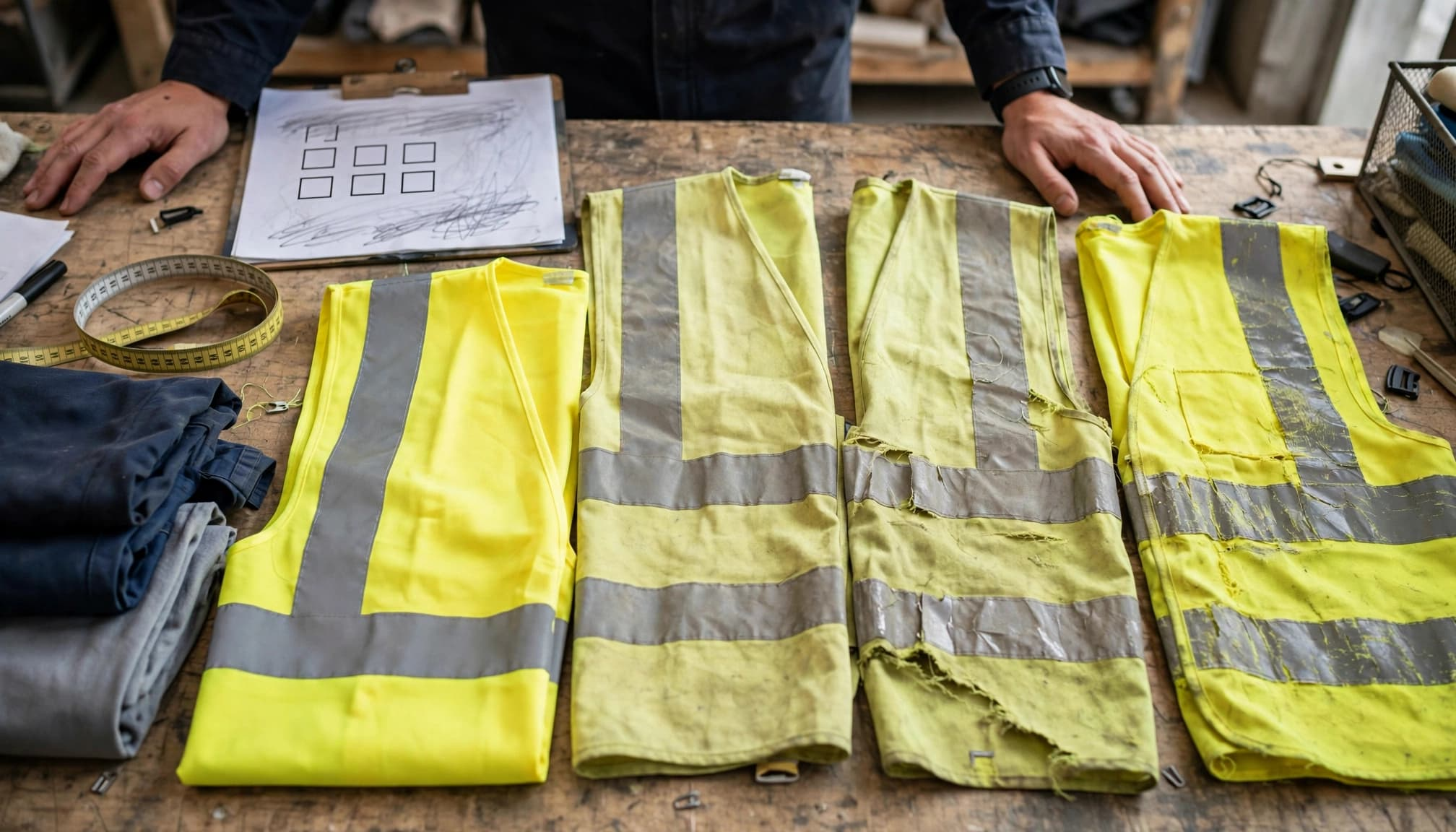
Inspect vests for fading, peeling tape, cracked reflective bands, torn seams, broken closures, missing pieces, and poor fit. Alterations can affect compliance. Replace a garment when it no longer provides clear visibility or reaches the manufacturer’s stated end of service life.
Frequently Asked Questions
Are high vis safety vests required on every outdoor job?
Requirements depend on traffic exposure, the task, employer rules, project specifications, and applicable regulations. Outdoor work by itself does not identify the correct garment, so review the safety plan for each work zone.
Can a Class 1 vest be used for road construction?
Class 1 is generally for controlled, low-speed, off-road settings. Road construction usually calls for Type R Class 2 or Class 3 apparel based on exposure, traffic conditions, and the worksite plan.
What is the difference between Type R and Type P apparel?
Type R apparel is for roadway and temporary traffic-control operations. Type P is for public safety duties and may have designs that support radios, body armor, tools, or rapid removal.
Does a bright orange vest work as well as a yellow vest?
Color alone does not determine whether a garment is suitable. The required fluorescent background, retroreflective material, garment design, ANSI type, and class must all match the task.
How often should contractors replace a safety vest?
There is no universal replacement date. Replace vests based on manufacturer instructions and inspection results, especially when fabric fades, tape fails, closures break, or dirt and damage reduce visibility.
A Better Vest Purchase Starts With the Work Zone
The right vest matches traffic risk, light conditions, weather, work layers, and the ANSI type and class required for the job. Contractors should verify every garment label, check fit over real work clothes, and train crews to keep reflective areas uncovered.
Durable, compliant high vis safety vests help workers stay visible without sacrificing comfort or mobility. Inspect gear before shifts or according to company policy, then replace worn garments before visibility becomes a question.
Browse Collection
Find the best and trending outfits.