Outdoor work changes by the minute. Traffic moves, equipment backs up, clouds roll in, and a crew can lose visibility long before the shift ends. ANSI hi vis shirts help workers stand out, but only when the garment matches the exposure.
A bright shirt with reflective stripes doesn’t automatically meet the right standard. Contractors need the proper ANSI/ISEA 107-2020 Type and Class, a clear label, and a fit workers will keep on all day.
Key Takeaways for ANSI Hi Vis Shirts
- ANSI hi vis shirts need a label that identifies the ANSI/ISEA 107-2020 Type and Performance Class.
- Type R, Class 2 is a common starting point for crews working near moving traffic.
- Class 3 offers greater visible material for higher-speed roads, night shifts, and poor weather.
- Comfort matters because workers are more likely to wear breathable, properly sized shirts correctly.
- Check compliance, replacement stock, and laundering needs before placing a bulk crew order.
ANSI Hi Vis Shirts: What ANSI/ISEA 107-2020 Means
High-visibility safety apparel combines fluorescent background fabric with retroreflective material. The bright fabric improves daytime visibility, while reflective trim helps headlights pick up the wearer in lower light.
The ANSI/ISEA 107-2020 high-visibility apparel standard sorts garments by Type and Performance Class. Type identifies the work environment. Performance Class identifies the amount of visible material on the garment.
- Type O is for off-road settings where workers are not exposed to public roadway traffic.
- Type R is for roadway and temporary traffic-control work.
- Type P applies to public safety work, including police, fire, and emergency response.
Class 1 provides the lowest visibility level. Class 2 is common near traffic, while Class 3 provides the most coverage for demanding roadside conditions. Class E applies to lower-body items such as pants, bibs, shorts, and gaiters. It cannot meet high-visibility requirements by itself.
Class 2 or Class 3: Which Shirt Fits Your Jobsite?
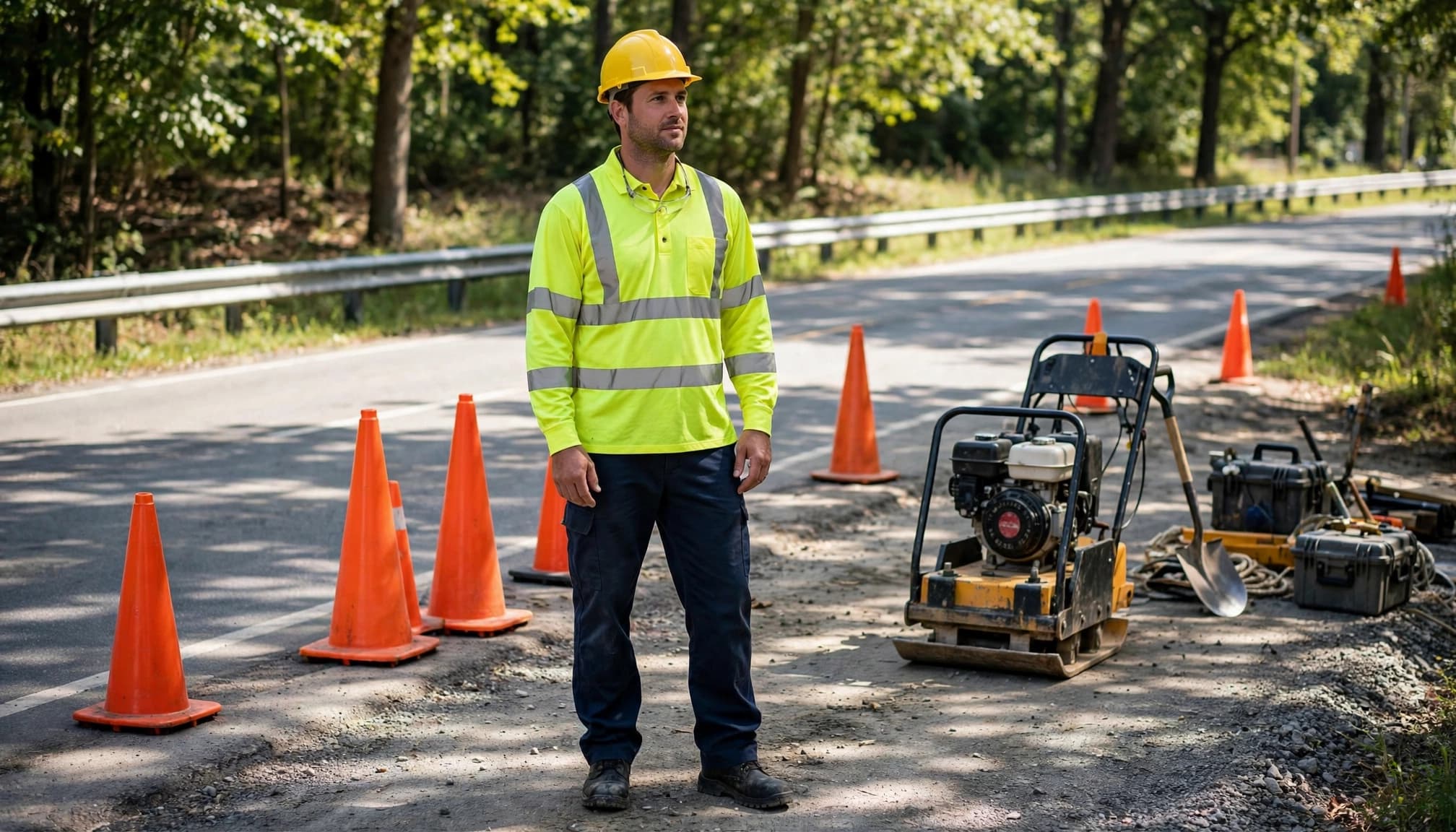
For many contractors, a Type R, Class 2 shirt is the practical baseline for work near moving vehicles. Utility crews, paving teams, surveyors, and roadside maintenance workers often need that added visibility over a basic off-road shirt.
Class 3 works better when traffic moves fast, sight lines are limited, or weather and darkness reduce contrast. Highway crews, night workers, and employees working near high-speed traffic benefit from the greater fluorescent and reflective coverage.
The Federal Highway Administration’s Type R guidance connects roadway exposure with Type R garments. Your employer’s hazard assessment, the work-zone plan, and site rules should drive the final selection.
A Class 3 shirt can add coverage, but it cannot replace traffic control, lighting, spotters, or a sound work-zone plan.
ANSI Label Details Every Contractor Should Check
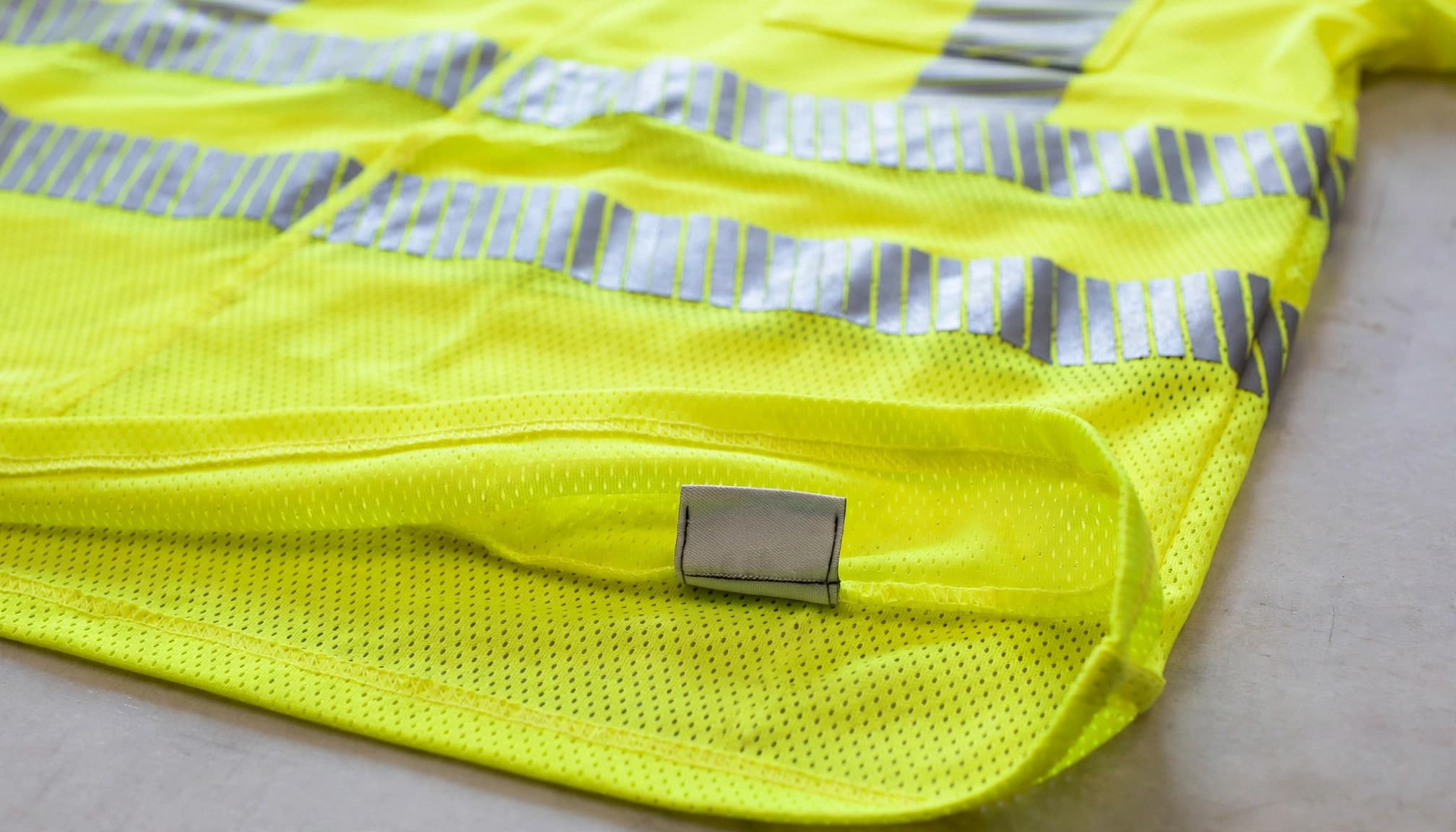
Look inside the collar, side seam, or lower interior area for the garment label. It should state ANSI/ISEA 107-2020 and identify the Type and Performance Class, such as Type R, Class 2.
Claims like “reflective,” “safety shirt,” or “high visibility” don’t prove compliance. Ask for product specifications when the listing photo doesn’t show the label clearly. OSHA evaluates job hazards, and roadway work often carries separate temporary traffic-control requirements. One universal class doesn’t fit every job.
Choose Shirts for Real Jobsite Conditions
Compliance is the starting point, not the finish line. A shirt also has to work with heat, rain, tool belts, fall protection, gloves, and the movement required for the job.
Fluorescent yellow-lime often gives strong contrast in many roadside and daytime settings. Fluorescent orange can make more sense where yellow-lime blends into vegetation, equipment, or local work-zone colors. Site rules may settle that decision before you order.
Short sleeves can keep workers cooler in summer. Long sleeves add sun coverage and help in cooler weather, but they must remain visible under outerwear. If a hoodie or jacket covers the reflective bands, the shirt underneath no longer does its job.
Features That Improve Comfort Without Reducing Visibility
Moisture-wicking polyester, lightweight performance knits, ventilation panels, and modest stretch can make a major difference during long shifts. Workers are more likely to keep their shirt on when it doesn’t feel heavy, stiff, or soaked with sweat.
Choose reflective material designed to show in vehicle headlights. Segmented reflective tape can improve flexibility and airflow compared with solid tape, although the garment still needs its stated ANSI label. Reinforced seams and colorfast fabric also help shirts hold up through regular washing.
Short Sleeve, Long Sleeve, and FR Shirt Differences
| Shirt type | Best fit | Buying consideration |
|---|---|---|
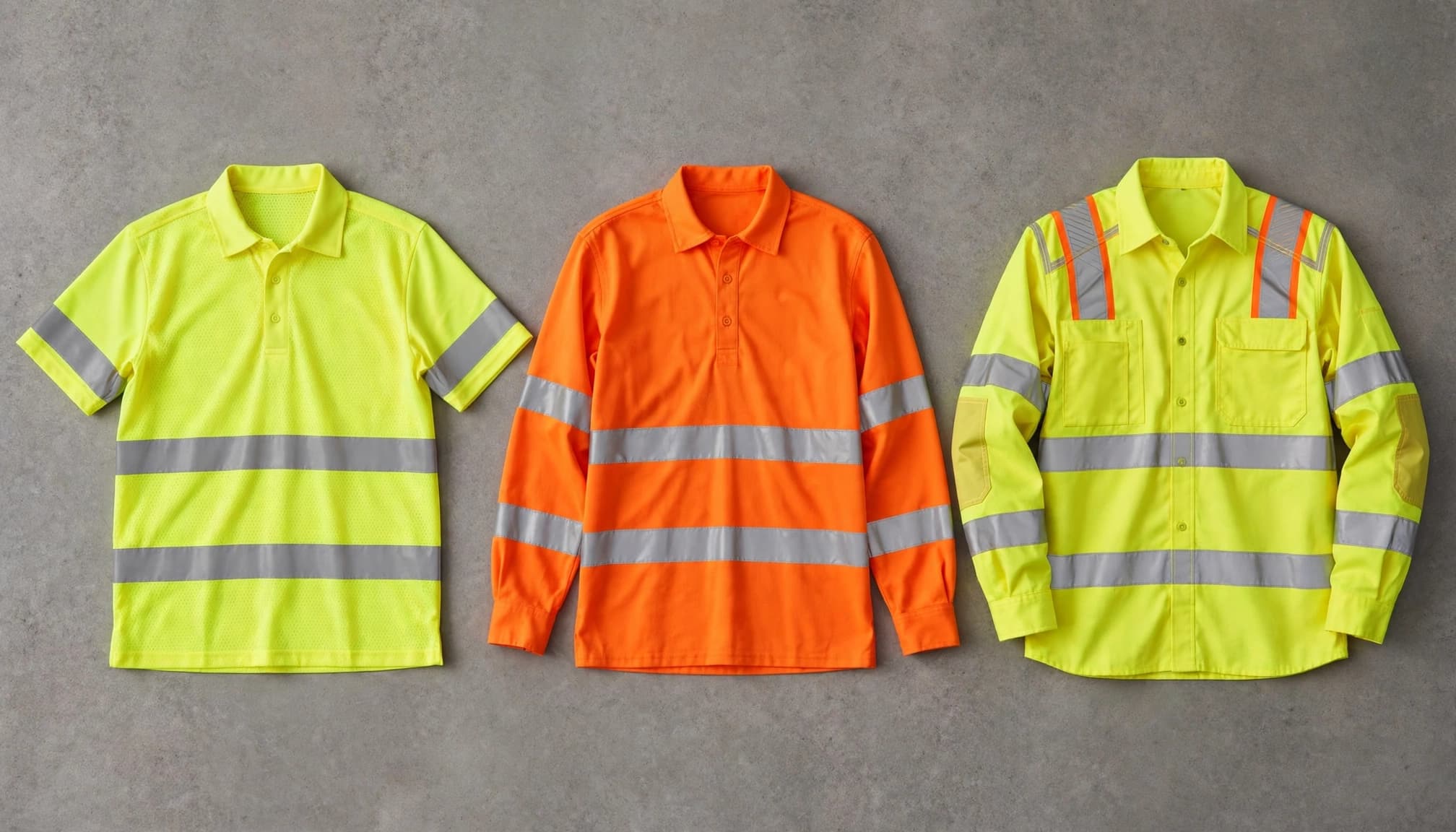
| Standard short-sleeve shirt | Warm, active daytime work | Check that sleeves and reflective layout meet the stated class. |
| Long-sleeve high-vis shirt | Sun exposure, cooler shifts, brushy sites | Confirm outer layers won’t cover the fluorescent fabric or tape. |
| FR high-visibility shirt | Electrical or flash-fire exposure | Verify both flame-resistant protection and the ANSI Type and Class. |
FR protection and ANSI visibility compliance are separate claims. An FR shirt needs its own appropriate ANSI/ISEA 107-2020 label if your job requires compliant high-visibility apparel.
Common Buying Mistakes That Leave Workers Underprotected
Price and color alone are poor buying guides. The lower-cost shirt may lack a clear Type and Class rating, use less durable fabric, or disappear from stock when replacements are needed.
Avoid these problems before committing to a crew order:
- Don’t confuse a garment Type with its Performance Class.
- Don’t treat Class E pants or bibs as a compliant shirt.
- Don’t buy tight shirts that restrict movement or oversized shirts that snag.
- Don’t assume an FR garment automatically carries an ANSI rating.
- Don’t add logos where they cover required reflective trim or fluorescent background material.
Review the label, manufacturer details, and your company safety policy before buying. Kishigo’s high-visibility FAQ is also a useful reference when comparing Type and Class terminology.
Where to Buy ANSI Hi Vis Shirts and What They Cost
Contractors can buy individual replacements or outfit full crews through safety suppliers, workwear dealers, and online high-visibility retailers. Radians, Kishigo, and PIP all sell products across different visibility categories, but a brand name alone never confirms a particular shirt’s rating.
Current online listings show many basic ANSI reflective shirts in roughly the $7 to $20 range. For example, Hi-Viz.com high-visibility shirt listings include options near that range, though prices change with size, color, retailer stock, and sales.
Class 3 coverage, long sleeves, premium moisture-wicking fabric, custom printing, and FR protection push pricing higher. Before checkout, confirm the ANSI/ISEA 107-2020 label, Type O or Type R designation, class, size availability, shipping timing, and replacement inventory.
How to Compare Shirts for a Whole Contractor Crew
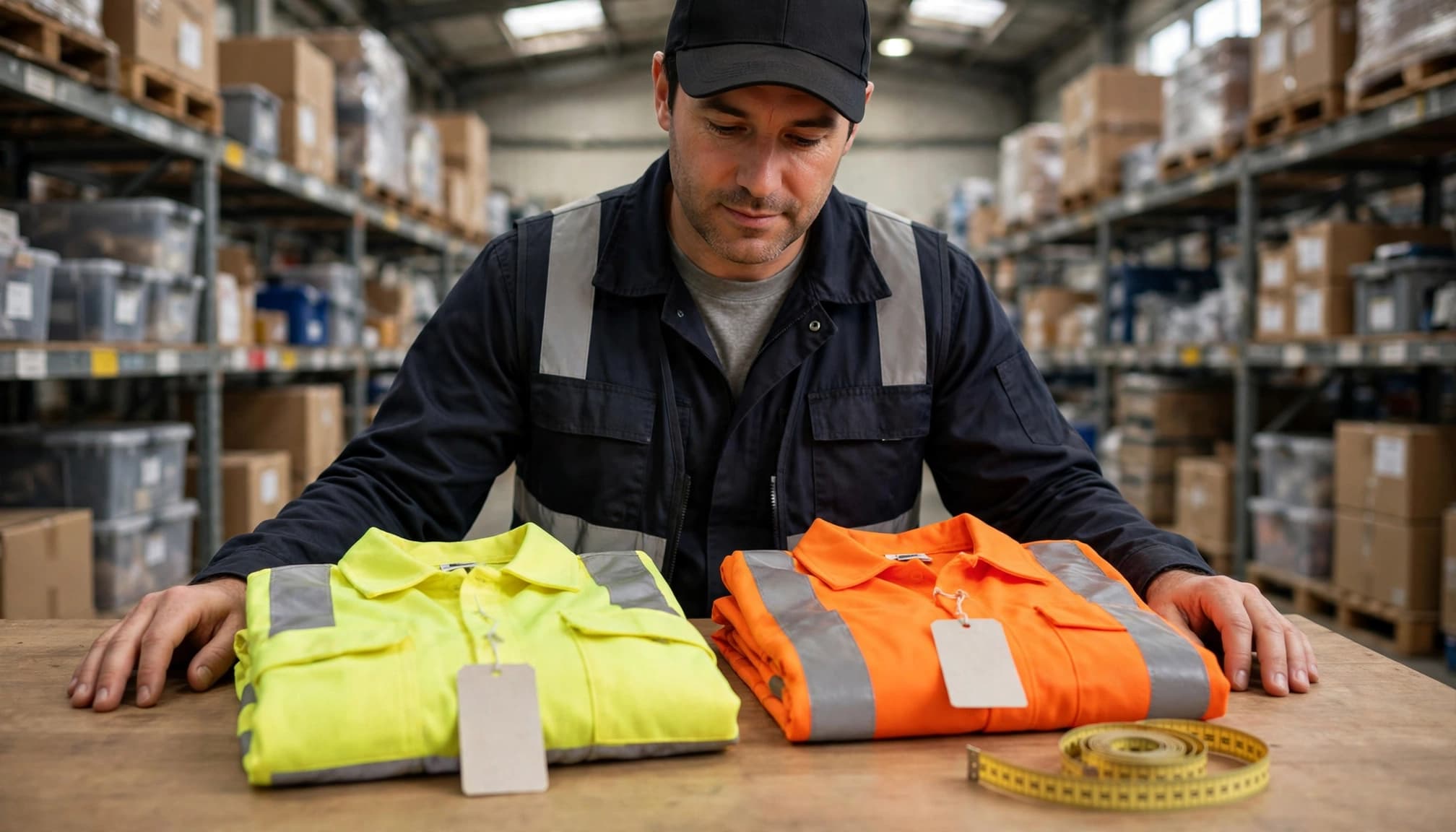
Start with the hazard, then build the order around it. A lower unit cost can become expensive if shirts fade early, fit poorly, or lack clear compliance information.
Purchasing teams should check:
- The required Type and Class for each work environment.
- Crew count, size range, and seasonal sleeve needs.
- Expected washing frequency and fabric durability.
- Logo placement that doesn’t interfere with required visible material.
- Lead time, replacement stock, and total cost per worker.
Keep a few spare shirts in common sizes. A damaged or heavily soiled shirt shouldn’t force a worker to choose between wearing unsuitable gear and losing a shift.
Care and Inspection Keep Visibility Working
High-vis apparel takes abuse on construction sites. Dirt, concrete dust, oil stains, fading, torn fabric, and damaged reflective tape can make a shirt less visible.
Follow the garment’s care label. Avoid laundry methods that can damage reflective material or leave heavy residue. Workers should inspect shirts before each shift and remove damaged garments from service.
Supervisors should include ANSI hi vis shirts in routine PPE inspections. Replacement needs often show up first at the cuffs, shoulders, reflective bands, and areas exposed to harnesses or tool belts.
Frequently Asked Questions
Can I wear a high-visibility vest over a regular shirt?
Yes, if the vest itself carries the required ANSI/ISEA 107-2020 Type and Class for the work. However, make sure backpacks, harnesses, or outerwear don’t hide its reflective material.
Does every roadside contractor need a Class 3 shirt?
No. Class selection depends on traffic speed, work-zone conditions, visibility, weather, and your employer’s hazard assessment. Type R, Class 2 is often used near traffic, while Class 3 fits higher-risk conditions.
Can a dirty reflective shirt still be compliant?
The label may still be present, but dirt and stains can reduce real-world visibility. Clean the garment according to its care instructions and replace it if fluorescent fabric or reflective trim no longer performs well.
Are fluorescent yellow-lime and orange equally acceptable?
Both colors can appear in compliant garments. The correct choice depends on the work environment, company rules, and the need to stand out against the surrounding background.
How often should contractors replace high-vis shirts?
Replace them when fading, staining, tears, worn reflective tape, or repeated laundering affects visibility. There is no single calendar date because wear depends on the job and care routine.
Choose Visibility That Holds Up on the Job
The right shirt depends on traffic exposure, lighting, weather, and the work your crew performs. Reflective stripes and bright color are only part of the decision.
Choose ANSI hi vis shirts with the proper Type and Class, verify every garment label, and buy fits that workers can wear comfortably through the whole shift. Reliable high-visibility gear gives contractors a practical way to meet site requirements while keeping crews easier to see.
Browse Collection
Find the best and trending outfits.